Why the Aviation Boom Has Triggered an Urgent Training Push
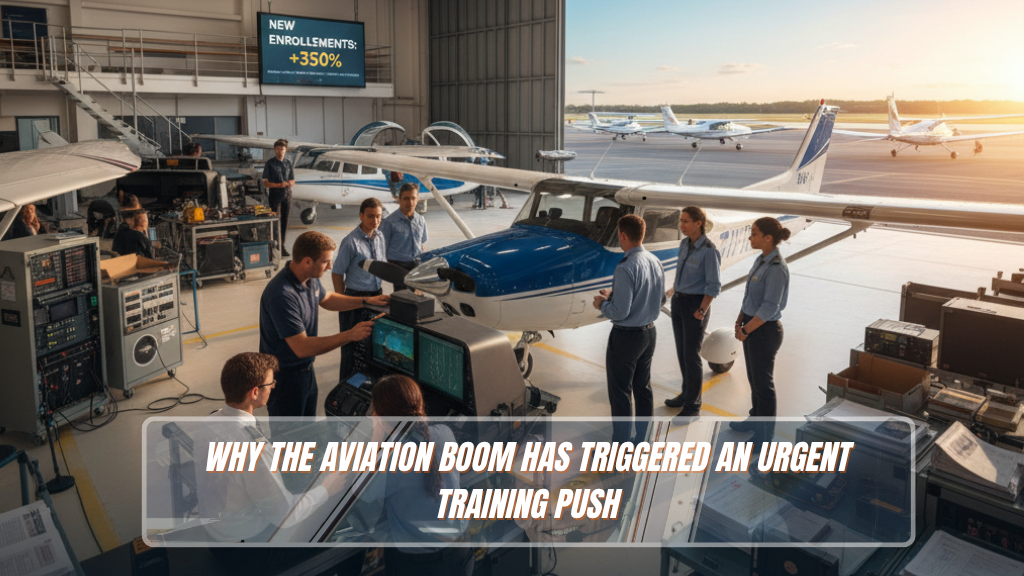
India’s aviation sector is entering its most explosive growth phase yet. With airlines placing orders for nearly 1,700 new aircraft, the country is staring at an unprecedented demand for around 30,000 trained pilots over the next few years. The current pool of aviators—roughly 8,000 active flyers—is nowhere close to meeting this surge.
A Massive Fleet Expansion Is Coming
Airlines like IndiGo, Air India, and Akasa are adding a lot of new planes because more Indians are flying now—within the country and abroad. The government also wants India to grow into a major global aviation hub, so airlines are preparing for that future by expanding their fleets.
But here’s the simple point: every single aircraft needs many pilots, not just one or two. On average, an airline needs around 10 to 15 pilots for each plane. This is because pilots work in shifts, follow strict rest rules, and need backup crews for long routes.
So when airlines plan to bring in over a thousand new aircraft, the number of pilots required becomes massive. This is why India’s current training system cannot keep up. The demand is growing much faster than the number of new pilots being trained.
In simple words:
More planes = more flights = more pilots.
But India doesn’t have enough trained pilots right now, and that is creating a big gap that needs urgent attention.
Training Infrastructure Needs a Major Upgrade
Union Aviation Minister K. Ram Mohan Naidu has flagged a serious gap in India’s pilot-training ecosystem. Current Flying Training Organisations (FTOs) cannot support the scale of pilots the industry now requires. Expanding training capacity, upgrading simulators, and improving skilling programmes will be essential if India wants to avoid a talent crunch.